 reviews!


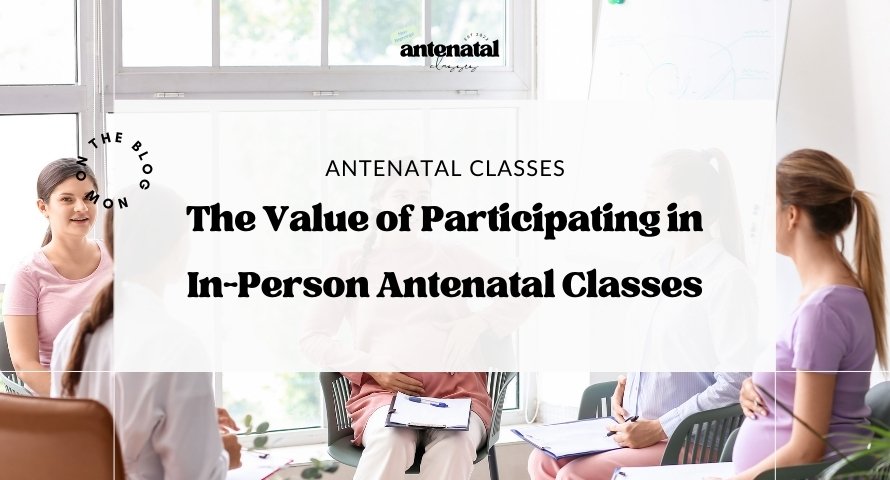
Choosing the right antenatal class is a crucial step in preparing for childbirth and early parenthood. With various options available, from online courses to in-person sessions, it can be challenging to determine which class is the best fit for your needs. This article will guide you through the key factors to consider when selecting an antenatal class, ensuring that you make an informed decision that aligns with your preferences and schedule.
Key Takeaways:
- Consider your learning style and schedule.
- Evaluate the course content and instructor qualifications.
- Think about location and convenience.
Key Considerations When Selecting the Perfect Antenatal Class
Assess Your Learning Style and Schedule
The first step in choosing the right antenatal class is to assess your learning style. Do you prefer hands-on learning, or are you more comfortable with self-paced online courses? If you enjoy interactive, in-person sessions, a local class might be the best option. On the other hand, if you have a busy schedule or prefer the flexibility of learning from home, an online antenatal course could be ideal.
For parents in Gloucestershire, our local antenatal classes offer both convenience and comprehensive coverage of essential topics.
If you’re unsure whether to choose online or in-person classes, explore the comparisons between online and in-person antenatal classes to understand the differences and benefits of each format.
Evaluate the Course Content and Instructor Qualifications
When selecting an antenatal class, it’s essential to evaluate the course content and the qualifications of the instructors. Look for classes that cover a wide range of topics, including labour stages, pain management, newborn care, breastfeeding and bottle feeding. A comprehensive course will better prepare you for all aspects of childbirth and early parenthood.
It’s also important to consider the qualifications and experience of the instructors. Ideally, the class should be led by a certified childbirth educator, midwife, or doula with extensive experience in prenatal care. This ensures that the information provided is accurate, up-to-date, and relevant to your needs.
For more details on what topics are covered in these classes, refer to our article on understanding the topics covered in antenatal classes.
Consider Location and Convenience
Location is a critical factor when choosing an antenatal class. If you prefer in-person classes, look for options that are conveniently located near your home or workplace. This will make it easier to attend sessions regularly and reduce the stress associated with travel.
Analyse the Class Size and Interaction Level
Class size can significantly impact your learning experience. Smaller classes tend to offer more personalised attention, with instructors able to address individual questions and concerns more effectively. Larger classes, however, may provide more opportunities for group discussions and peer support.
Think about what type of interaction you’re most comfortable with and choose a class size that aligns with your preferences. If you’re looking for a more intimate setting, consider classes that limit the number of participants to ensure a more personalised experience.
Check for Partner Involvement
Many antenatal classes encourage partner involvement, which can be beneficial for both parents. Look for classes that include sessions specifically for partners, teaching them how to support the birthing mother during labour and delivery. These sessions can enhance the birthing experience and strengthen the bond between partners.
Our article on antenatal course for couples provides more insights into the benefits of attending classes together.
Frequently Asked Questions:
How do I know if an antenatal class is right for me?
The best antenatal class for you will align with your learning style, schedule, and specific needs. Consider factors like course content, instructor qualifications, and location to make an informed decision.
What should I look for in an antenatal class instructor?
Look for instructors who are certified childbirth educators, midwives, or doulas with extensive experience in prenatal care. Their qualifications and experience ensure that the information provided is accurate and relevant. Remember not all midwives make great teachers and that’s ok – it doesn’t have to be a midwife who runs your course, as long as they’ve got the local knowledge and correct qualifications.
How important is class size in an antenatal course?
Class size can affect the level of interaction and personalised attention you receive. Smaller classes may offer more individualised support, while larger classes can provide diverse perspectives and group discussions.
Can I switch to a different antenatal class if my needs change?
Yes, many antenatal programs offer the flexibility to switch classes if your needs or schedule change. It’s always a good idea to ask about the options available before enrolling.
Ready to choose your antenatal class?
Choosing the right antenatal class is an essential step in preparing for the arrival of your baby. By considering your learning style, schedule, and specific needs, you can find a class that aligns with your preferences and helps you feel confident and prepared for childbirth. Whether you prefer online or in-person learning, take the time to research your options and select the course that’s the best fit for you.
Explore our antenatal courses near Gloucester for a friendly and convenient option.


About The Author: Emily Boston
Emily Boston, our award winning lead antenatal instructor in Cheltenham, Cotswolds, boasts credentials as a certified antenatal and early postnatal educator, as well as a paediatric first aid expert.
Beyond her professional qualifications, she's a proud mother who deeply values perinatal mental well-being. Emily is dedicated to offering families evidence-backed, unbiased advice, ensuring they're well-supported throughout their journey.
Looking for an antenatal class?: We offer an initial call, completely free of charge and without any obligation. You can schedule a call with us, email us, or call us on: 07758 215954.
Find us here: Antenatal Classes, Old Chapel, Gretton Rd, Gotherington, Cheltenham, GL52 9EP.
More posts by Emily Boston