 reviews!

Contents
ToggleStaying Hydrated: The Importance of Water During Pregnancy
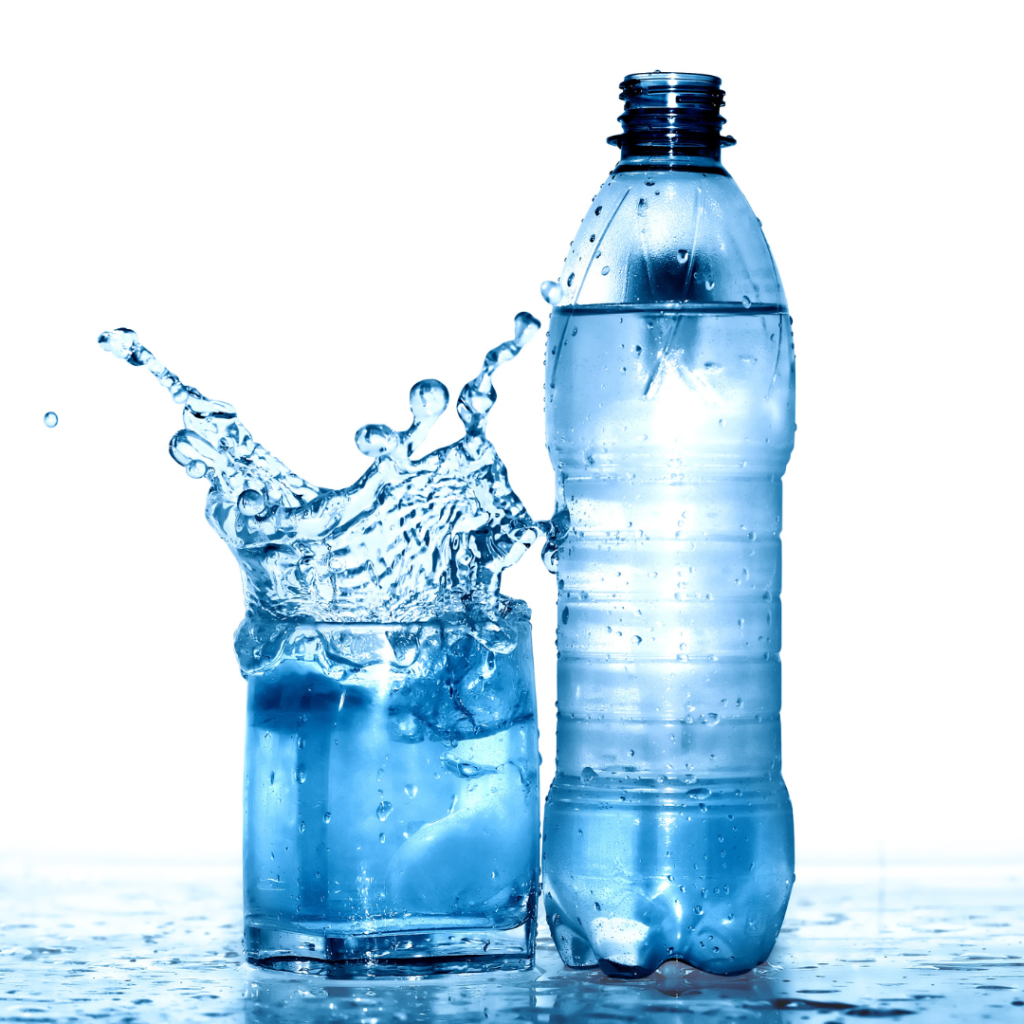
Staying hydrated is pivotal during pregnancy, as water plays a crucial role in supporting your health and the healthy development of your baby. This guide will explore why adequate hydration is essential, how much water you should drink during pregnancy, and tips for staying hydrated.
Key Takeaways:
- Drinking enough water is crucial for preventing dehydration, which can lead to complications such as headaches, nausea, and even preterm labour.
- Water helps form the placenta and amniotic sac.
- The recommended daily water intake during pregnancy is about 10 cups (2.3 litres).
- Incorporating foods with high water content can also help meet your hydration needs.
The Role of Hydration in Pregnancy
Why is Hydration Important?
Hydration is key to a healthy pregnancy for several reasons:
- Supports the transport of nutrients and oxygen to your baby.
- Helps reduce the risk of urinary tract infections, which are more common during pregnancy.
- Aids in digestion and helps prevent constipation.
Signs of Dehydration to Watch For
Common signs include:
- Dark-coloured urine
- Dizziness
- Dry mouth and lips
- Feeling overly thirsty
How Much Water Should You Drink?
Recommended Daily Intake
Pregnant women should aim for at least 10 cups (2.3 litres) of fluids a day from various sources, including water, milk, and fruit juices.
Tips for Increasing Water Intake
- Keep a water bottle handy at all times.
- Add natural flavours to your water, like lemon or cucumber, to make it more appealing.
- Eat fruits and vegetables high in water content, such as watermelon and cucumbers.
Foods That Help With Hydration
| Food | Water Content |
|---|---|
| Watermelon | 92% |
| Cucumber | 95% |
| Strawberries | 91% |
| Oranges | 88% |
Incorporating these foods into your diet can contribute to your daily fluid intake.
Staying Hydrated in Different Pregnancy Stages
First Trimester
Hydration helps combat morning sickness and supports the increased blood volume.
Second and Third Trimesters
Adequate hydration is crucial as your baby grows, helping with nutrient delivery and reducing the risk of preterm labour.
Additional Resources
For more guidance on maintaining a healthy pregnancy, whilst learning about labour, birth, feeding and early parenting consider joining antenatal classes. These classes provide valuable information on overall prenatal and postnatal care, labour, birth, feeding and preparing for parenthood.
Explore related topics:
- Top Diet Tips for a Healthy Pregnancy: What to Eat
- Exercise During Pregnancy: Safe Recommendations
Understanding the importance of staying hydrated during pregnancy is crucial for your health and your baby’s development. By following these guidelines and incorporating plenty of fluids into your daily routine, you can support a healthy pregnancy journey.


About The Author: Emily Boston
Emily Boston, our award winning lead antenatal instructor in Cheltenham, Cotswolds, boasts credentials as a certified antenatal and early postnatal educator, as well as a paediatric first aid expert.
Beyond her professional qualifications, she's a proud mother who deeply values perinatal mental well-being. Emily is dedicated to offering families evidence-backed, unbiased advice, ensuring they're well-supported throughout their journey.
Looking for an antenatal class?: We offer an initial call, completely free of charge and without any obligation. You can schedule a call with us, email us, or call us on: 07758 215954.
Find us here: Antenatal Classes, Old Chapel, Gretton Rd, Gotherington, Cheltenham, GL52 9EP.
More posts by Emily Boston