 reviews!

Contents
ToggleYour Prenatal Checkup Schedule: What to Expect
Navigating through pregnancy is an exciting journey, and the National Health Service (NHS) in the UK provides a comprehensive prenatal care program to support you every step of the way. Understanding your prenatal checkup schedule is key to ensuring both you and your baby’s health and well-being. This guide outlines the standard schedule for appointments, scans, and tests you can expect during your pregnancy under the NHS.
Key Takeaways:
- First appointment (booking appointment) usually occurs between 8-12 weeks.
- Ultrasound scans are typically scheduled around 12 weeks (dating scan) and 20 weeks (anomaly scan).
- Screening tests for various conditions are offered at specific stages of pregnancy.
- Regular midwife appointments will monitor the health of you and your baby.
Understanding the NHS Prenatal Care Schedule
First Trimester
Booking Appointment (8-12 weeks)
Your first prenatal visit, known as the booking appointment, is comprehensive, covering medical history, future screenings, and lifestyle advice.
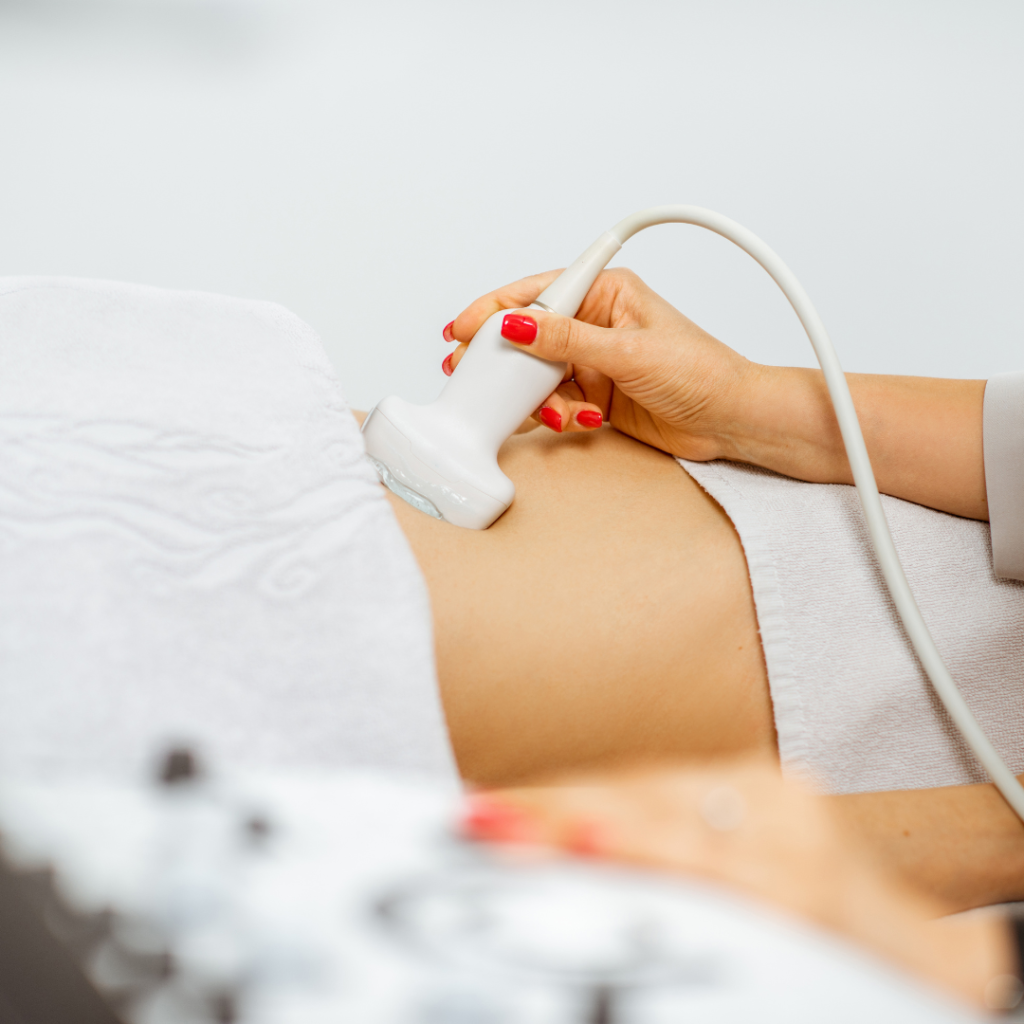
First Ultrasound Scan (Around 12 weeks)
The dating scan helps estimate your due date and checks the baby’s development.
Second Trimester
Anomaly Scan (Around 20 weeks)
This detailed scan checks for structural abnormalities in the baby.
Mid-Pregnancy Appointments
You’ll have appointments around 16 and 20 weeks to review test results and discuss the anomaly scan.
Third Trimester
Regular appointments will monitor your health and your baby’s growth. The frequency of these visits increases as you approach your due date.
| Weeks of Pregnancy | Purpose of Visit |
|---|---|
| 28 weeks | Blood tests, measuring blood pressure and urine for protein. |
| 31 weeks | First-time mothers have an additional check-up. |
| 34 weeks | Review birth plan, discuss feeding, and measure blood pressure. |
| 36 weeks | Check baby’s position and discuss birthing options. |
| 38 weeks | General health check, discuss signs of labour, and repeat blood tests if needed. |
| 40 weeks | For first-time mothers, an appointment to check both Mum and baby’s wellbeing. |
Additional Considerations
- Screening for Gestational Diabetes: Offered around 24-28 weeks for women at higher risk.
- Anti-D Injection: For Rh-negative women, usually at 28 weeks.
Preparing for Your Appointments
Bring any questions or concerns to your appointments. It’s also a good idea to have your maternity notes with you if these are in paper form.
When to Seek Additional Help
If you have any concerns about your pregnancy, such as reduced foetal movement or unusual symptoms, contact your healthcare provider immediately.
Resources for Expectant Parents
For additional support and information on preparing for childbirth and parenthood, explore antenatal classes. These classes provide valuable insights into pregnancy, labour, and early parenthood.
Discover more about pregnancy care:
- Stress Management for Expecting Mothers: Techniques That Work
- Nutrition Tips for a Healthy Pregnancy
Navigating your prenatal care schedule with the NHS ensures you receive support for a healthy pregnancy. Regular checkups, screenings, and scans are designed to monitor your progress and address any issues promptly, offering peace of mind throughout your pregnancy journey.



About The Author: Emily Boston
Emily Boston, our award winning lead antenatal instructor in Cheltenham, Cotswolds, boasts credentials as a certified antenatal and early postnatal educator, as well as a paediatric first aid expert.
Beyond her professional qualifications, she's a proud mother who deeply values perinatal mental well-being. Emily is dedicated to offering families evidence-backed, unbiased advice, ensuring they're well-supported throughout their journey.
Looking for an antenatal class?: We offer an initial call, completely free of charge and without any obligation. You can schedule a call with us, email us, or call us on: 07758 215954.
Find us here: Antenatal Classes, Old Chapel, Gretton Rd, Gotherington, Cheltenham, GL52 9EP.
More posts by Emily Boston